Category: Cinema & Film
-
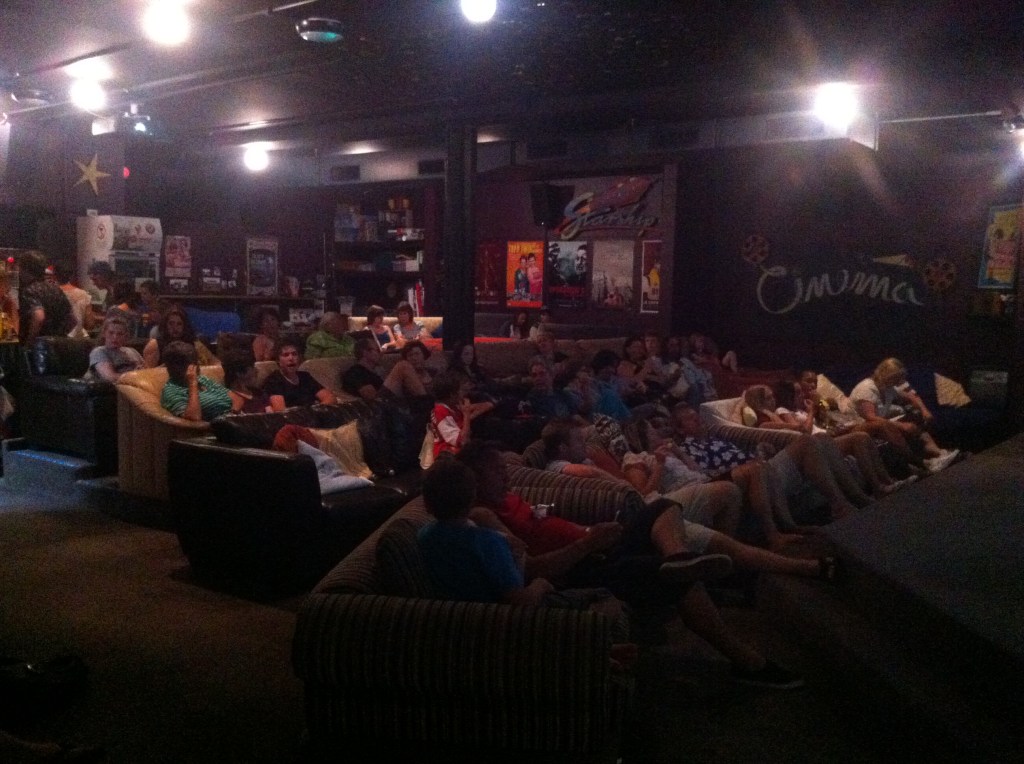
Everyday pleasures: cinema-going
As the term ‘cinema-going’ suggests, one of the historical pleasures of watching films has been visiting the structures in which they are screened. In An Everyday Magic: Cinema and Cultural Memory, Annette Kuhn’s study of people’s memories of cinema-going in the 1930s, she found that for many of the people she interviewed, the cinemas themselves,…
-

Perfect and ephemeral: Chaplin as cinematic sign
Driving back and forth past this outhouse on the small island of Waiheke in New Zealand/Aotearoa over the past couple of weeks, I’ve been struck by the incongruity of finding this image of Charlie Chaplin at what feels like, from a Eurocentric perspective, the edge of the world. The figure of Chaplin dressed in the…
-

The cinema of Michael Winterbottom: borders, intimacy, terror
I’m very excited that my new book, The Cinema of Michael Winterbottom: Borders, Intimacy, Terror, is being published by Wallflower Press / Columbia University Press on 1st January, but have just found that the Kindle edition of the book has gone on sale on amazon today: http://goo.gl/Yy6TKJ
-

Gary’s war on terror: soldiers’ stories, the ‘discourse of impropriety’ and the comedy of terror
This is an edited version of the paper I gave at the University of Northumbria symposium, ‘Acting Up; Gender and Television Comedy’ on 14th Jan, 2012. A revised and extended version of this entitled, ‘The comedy of terror: ‘Gary: Tank Commander’ and the TV sitcom’s “discourse of impropriety”’, will be published in 2014 in Lacey, S.…
-

The normativity of 3D: cinematic journeys, unchained cameras and imperial visuality
This is a new article I’ve just had published in the free online journal, JumpCut: A Review of Contemporary Media. It’s an analysis of the emergent formal and ideological conventions of the current wave of digital 3D cinema, using Werner Herzog’s Cave of Forgotten Dreams (2010) and the cave-diving thriller Sanctum (Grierson, 2010) as the key case studies.
-

Documenting the War on Terror
This is a short piece I wrote for the online journal e-International Relations on the turn towards documentary and docudrama in depictions of the War on Terror on film and TV: http://www.e-ir.info/2013/10/16/documenting-the-war-on-terror/
-

Irrational beauty: Park’s I’m a Cyborg, But That’s OK
Introduction to I’m a Cyborg, But That’s OK (Park, 2006) – Dukes cinema, Lancaster, 7th July 2008 This is the introductory public talk I gave for a screening of a print of this film Park Chan-wook is undoubtedly the most famous Korean film director, both inside and outside South Korea although his status within South Korea is rather…
-

Industrial futures: Lang’s Metropolis
Introduction to Metropolis (Lang, 1927) – Dukes cinema, Lancaster, 16 Jan 2010 This is the introductory public talk I gave for a screening of a print of the definitive 2010 restoration of this film Premiered in Berlin on January 10th, 1927, Metropolis was the most expensive film produced in Germany up until that point. With 36,000 extras,…
-
‘Perspectives on Production Design’, Lancaster University, March 2013.
In March this year I organised a one-day research symposium on production design in cinema at Lancaster University. This video is of the introductory keynote paper by Prof. Sir Christopher Frayling, which includes a historical survey of approaches to film production design and outlines some of the key issues for scholars and critics studying this…
-

Extreme metaphors: Cronenberg’s Crash
Introduction to Crash (Cronenberg, 1996) – Dukes cinema, Lancaster, 26/11/07 This is the introductory public talk I gave for the screening of this film in connection with a Lancaster University seminar series, ‘New Sciences of Protection: Designing Safe Living’ Crash is the 1996 film adaptation of a 1973 novel by British writer JG Ballard. It was directed…
-
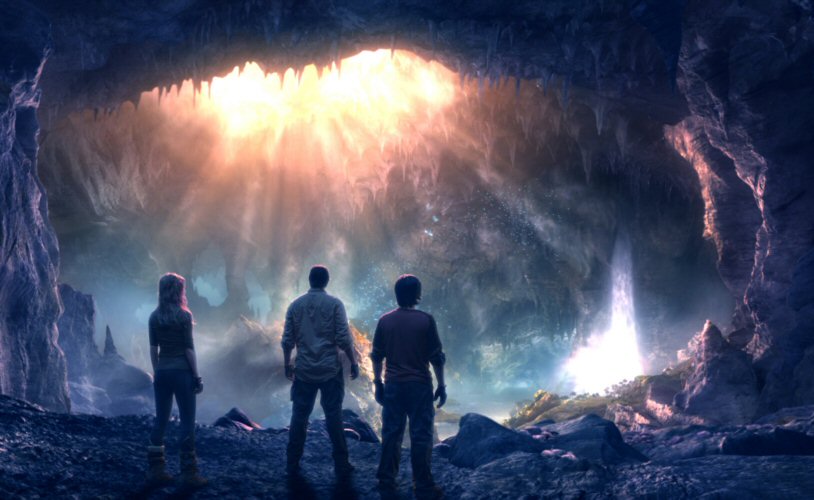
Unexpected cinematic journeys and ethnographic spectacle in contemporary 3D films
This is a short piece, published in April 2013, that I was invited to write for the ‘Research Provocations’ column of the website, Stereoscopic Media [http://www.stereoscopicmedia.org], which is an online resource for contemporary academic work on 3D cinema and audio-visual media In its fetishistic preoccupation with novel technology much of the commentary on contemporary 3D…
-

The gendered practice of film-directing: Michael Bay
These two publicity photographs of the director, Michael Bay, on the sets of the superproductions, Transformers (2007 – top) and Transformers 4: Age of Extinction (currently in production – bottom) speak volumes about the fantasies and pleasures of masculinity that underpin the film-making process. This is evidenced in the US director Sam Fuller’s dry observation (in a…
-

Our business was surrealism: The Red Shoes
Introduction to The Red Shoes (Powell, 1948) – Dukes cinema, Lancaster, 11/12/11 This was the introductory public talk I gave for the screening of Powell’s film during a short series of world classics The Red Shoes is one of the most celebrated films of world cinema and it is a striking measure of the esteem the…
-

Seeing reality through unreliable eyes: Hitchcock’s Vertigo
Introduction to Vertigo (Hitchcock, 1958) – Dukes cinema, 7/10/12 This was the introductory public talk I gave for the screening of Hitchcock’s film at the Dukes cinema in Lancaster Tonight’s screening is of Vertigo, the 1958 film by British director, Alfred Hitchcock, who was described by French critic and film-maker Francois Truffaut as one of…
-

Watching with a detached gaze: Kurosawa’s Throne of Blood
Introduction to Throne of Blood (Kurosawa, 1957) – Dukes cinema, 12/3/12 This was the introductory public talk I gave for the screening of Kurosawa’s film at the Dukes cinema in Lancaster This film is by the most famous Japanese film-maker, Akira Kurosawa, and stars Toshiro Mifune, his regular collaborator and by far the most famous Japanese actor.…
-
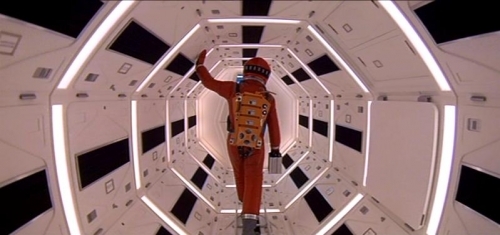
A non-verbal experience: Kubrick’s 2001: A Space Odyssey
Introduction to 2001: A Space Odyssey (Kubrick, 1968) – Dukes cinema, Lancaster, May 9th, 2012 This was the introductory public talk I gave for this rare screening of Kubrick’s film at the Dukes cinema in Lancaster, the screening of which was actually approved by the Kubrick estate only because it was accompanied by an introductory lecture 2001: A…
-
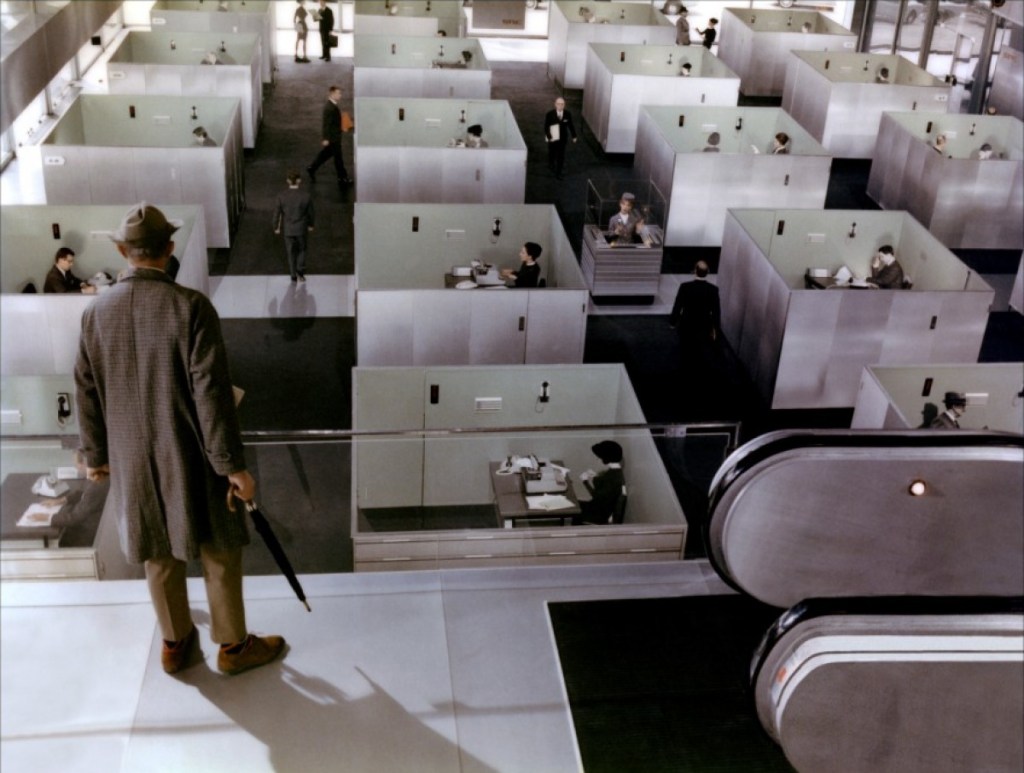
A democracy of sound and image – Jacques Tati’s Playtime
Introduction to Playtime (Tati, 1967) – Dukes cinema, Lancaster 19/9/13 This was the introductory public talk I gave for a rare screening of Tati’s film at the Dukes cinema in Lancaster In a famous essay[i] from 1954 the film critic (and later director) Francois Truffaut complained that French cinema was dominated by quality cinema that…
-
Cinema, time and children
Cinema, time and children: This short piece on the importance of the historical significance of the child in cinema and in discourses around media effects, and also the ways that cinema can document and represent time is posted on the Lancaster University blog page here.
 Bruce Bennett